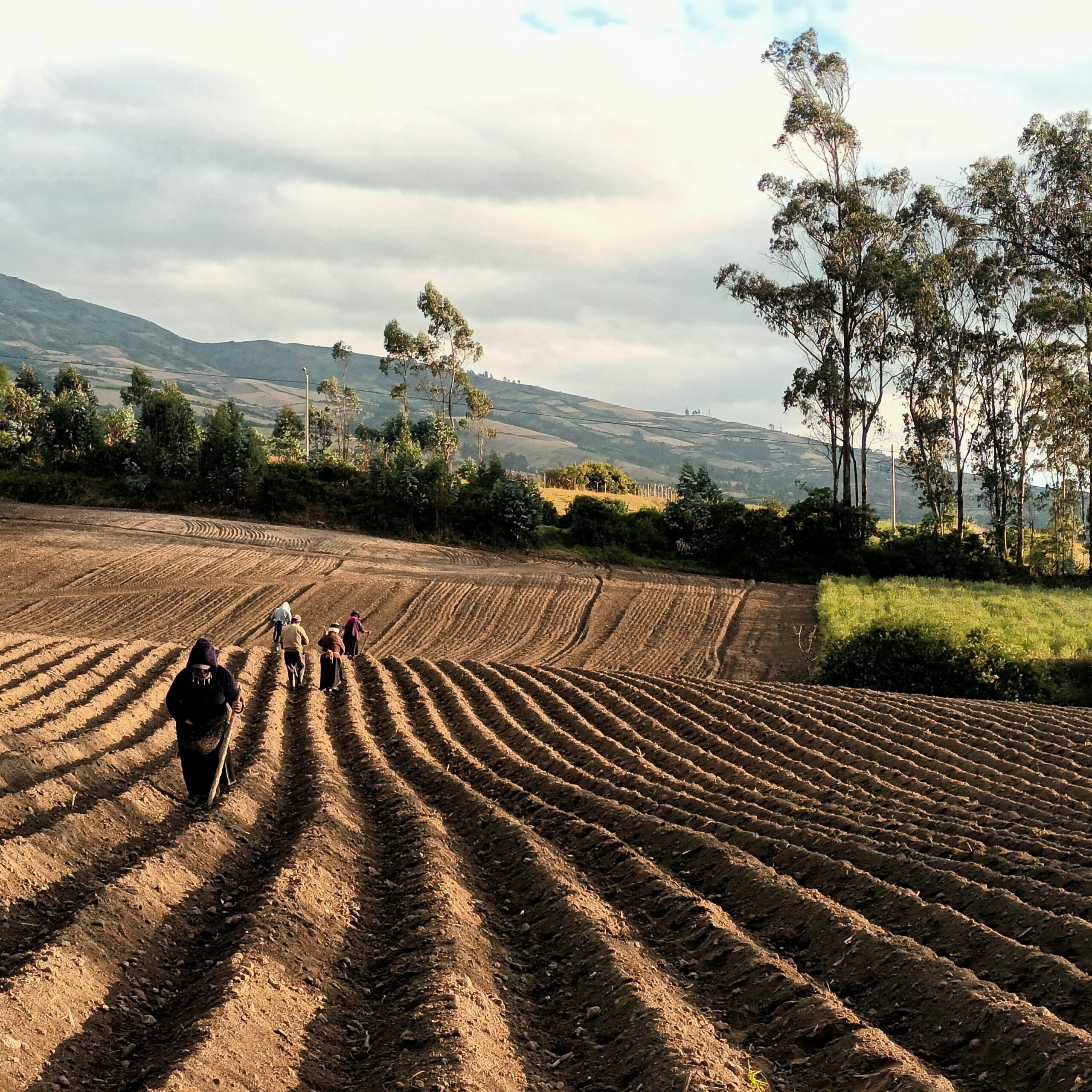

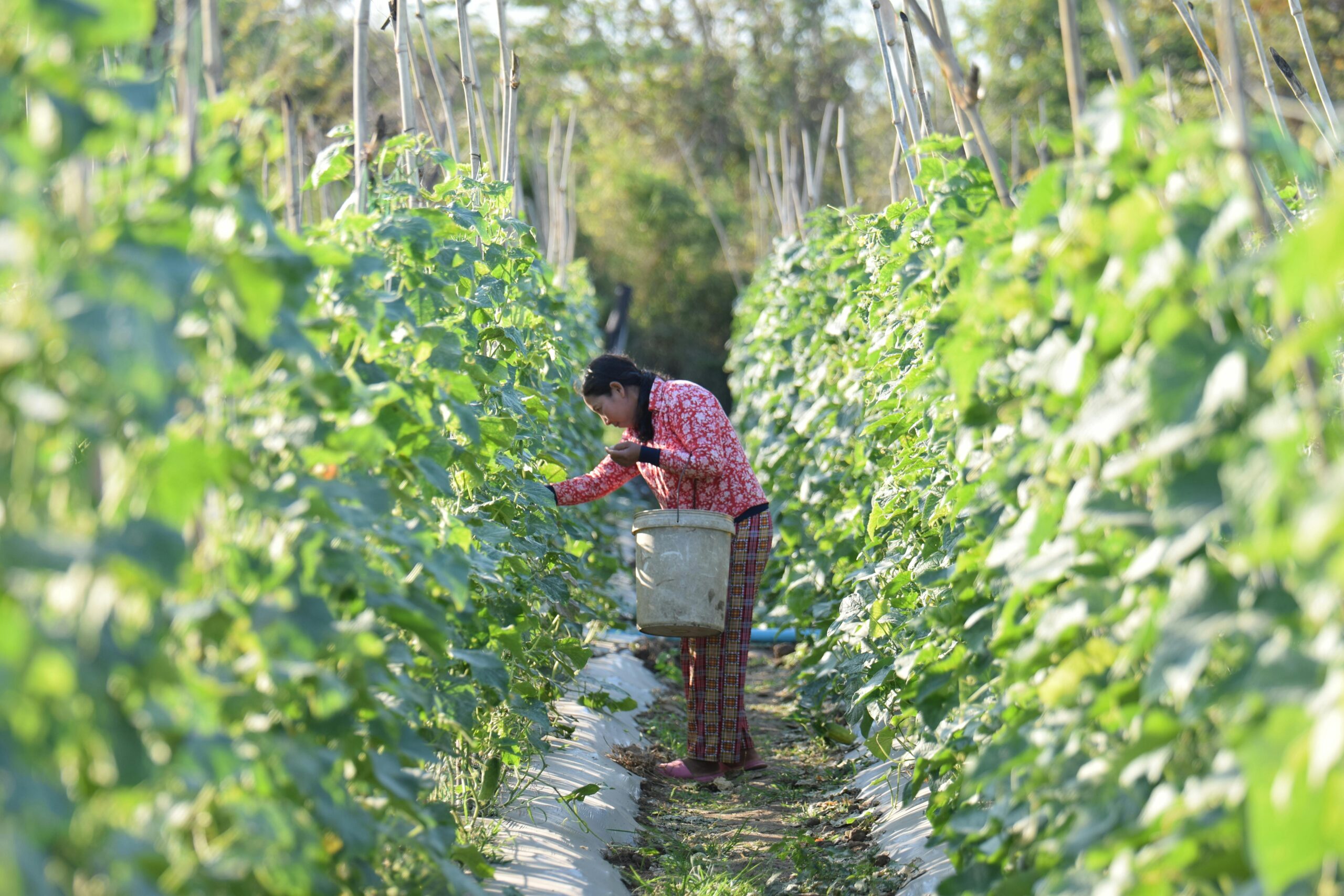
The analysis of twelve Family Farming public policies across Africa, Latin America, Asia and the Pacific draws concrete lessons and recommendations that contribute to a new generation of more innovative, inclusive and effective policies
25 May 2026. A cross-cutting analysis carried out by the World Rural Forum (WRF) has identified key factors for increasing the impact of Family Farming (FF) public policies. The study, conducted by Aliades, Coop. V., examined twelve public policies from Africa, Latin America, Asia and the Pacific, identifying common patterns, innovative practices and shared challenges among policies aimed at promoting Family Farming. The analysis draws concrete lessons and recommendations that contribute to a new generation of more innovative, inclusive and effective policies.
Why is this important? The current global context reinforces the need to innovate, design and update political and legal frameworks that support the multidimensional nature of Family Farming.
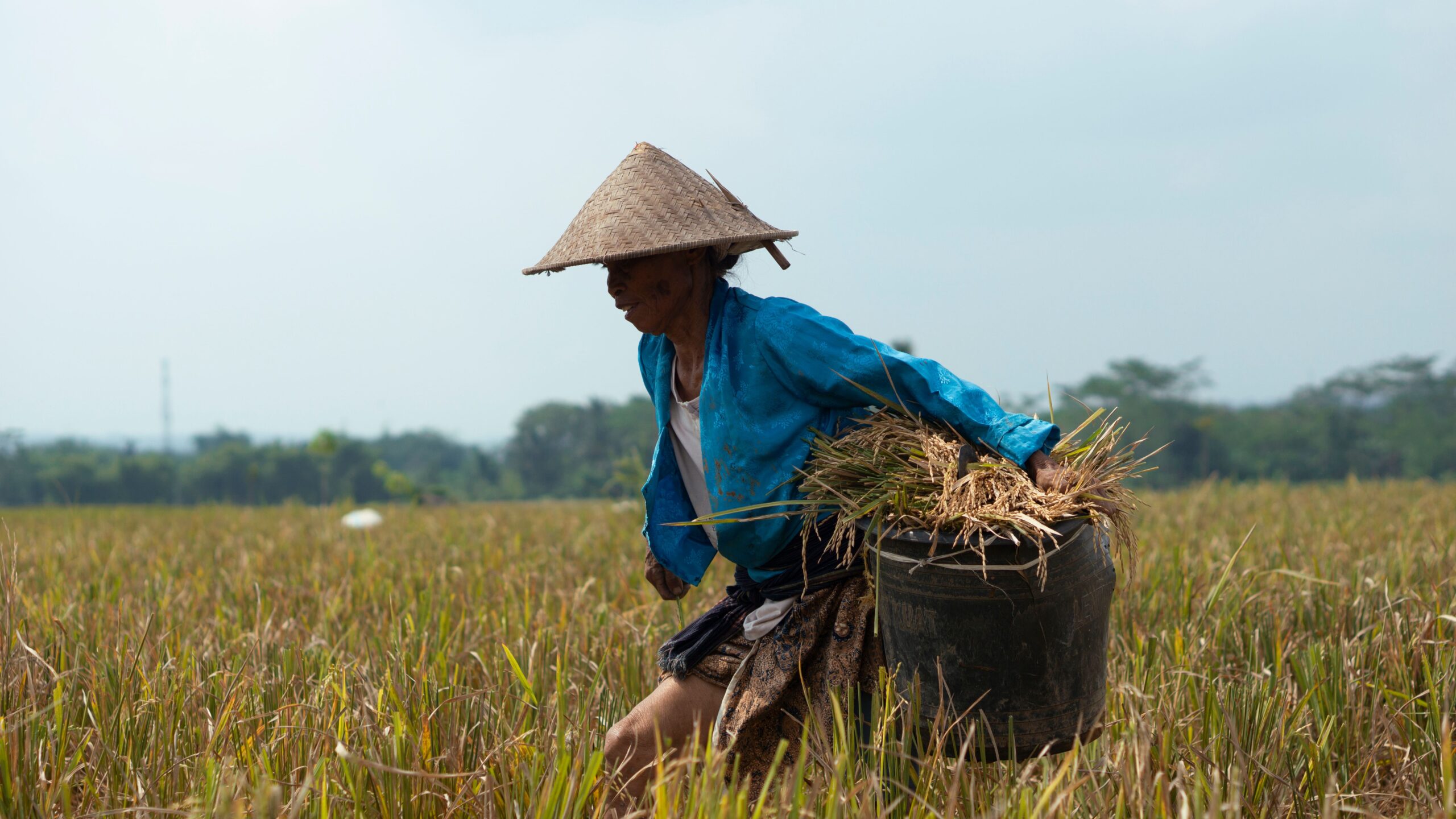
In this regard, WRF is committed to promoting innovative public policies built through dialogue among different sectors and stakeholders, and based on a comprehensive understanding of food systems.
The study highlights:
- the importance of coordinating financing, technical assistance and market access;
- the need to design differentiated policies that respond to the diversity of producers;
- the multiplying role of innovation — financial, technological and social — in enhancing policy impact; and
- the decisive role of civil society organisations in providing legitimacy, territorial knowledge and the capacity to engage with rural communities.
The study underlines that Family Farming will continue to play a key role in food security, agroecological transition and the climate resilience of territories.
You can consult the summary document, which includes the main findings and recommendations derived from the study.
The full study is available in Spanish, English and French.